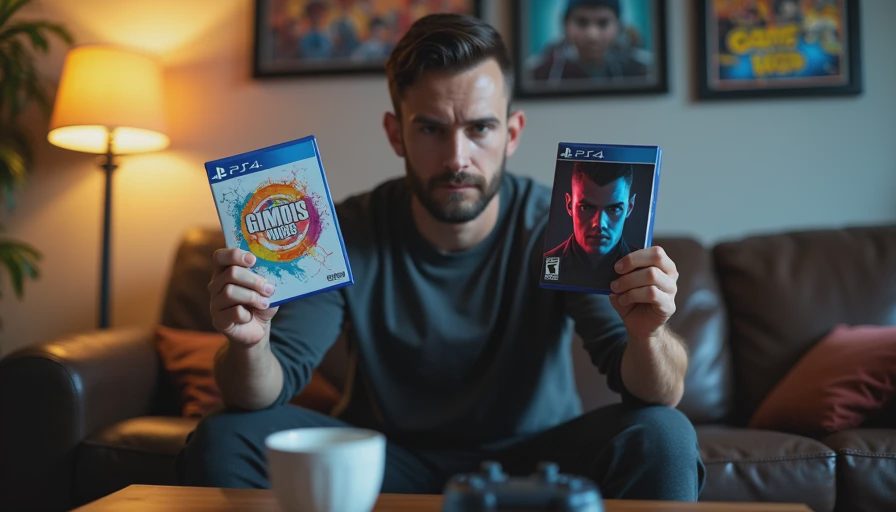
The adult player’s guide to choosing between indie darling and AAA spectacle comes down to one question: what do you actually want from your evening?
It sounds simple, but it’s not. The gaming industry spends millions of dollars convincing you that you want both — the handmade charm of an indie gem and the blockbuster polish of a big-budget epic. And sure, in a perfect world, you’d have time for everything. But you don’t. You have maybe six hours a week, a tired brain, and a backlog that’s already longer than your commute.
So when a new indie darling and a new AAA spectacle drop in the same month, you have to choose. Here’s how I make that call.
What AAA Games Actually Offer
Let’s be fair about what big-budget games do well. They’re not just marketing machines. They deliver things that small teams can’t.
Production Value and Scale
AAA games are built to impress. They have the best graphics, the biggest worlds, the most polished cutscenes. When you boot up a game like God of War or Horizon Forbidden West, you can feel the hundreds of millions of dollars on screen. The motion capture, the voice acting, the orchestral score — it’s a blockbuster experience.
For some evenings, that’s exactly what I want. I want to sit on the couch, turn off my brain, and let a massive production wash over me. There’s a comfort in polish. It’s like watching a well-made movie: you don’t have to work to enjoy it.
The Risk of Bloat
But AAA games come with a cost beyond the $70 price tag. They’re often bloated. Padded with side content, live-service hooks, and endless tutorials. The game that should have been 20 hours stretches into 60, because the publisher demanded more “content” to justify the price.
I’ve bought AAA games that wowed me for the first ten hours and then slowly drained me with repeated tasks and empty exploration. The spectacle doesn’t last. What remains is the grind. And for a busy adult, the grind is the enemy.
What Indie Games Actually Offer
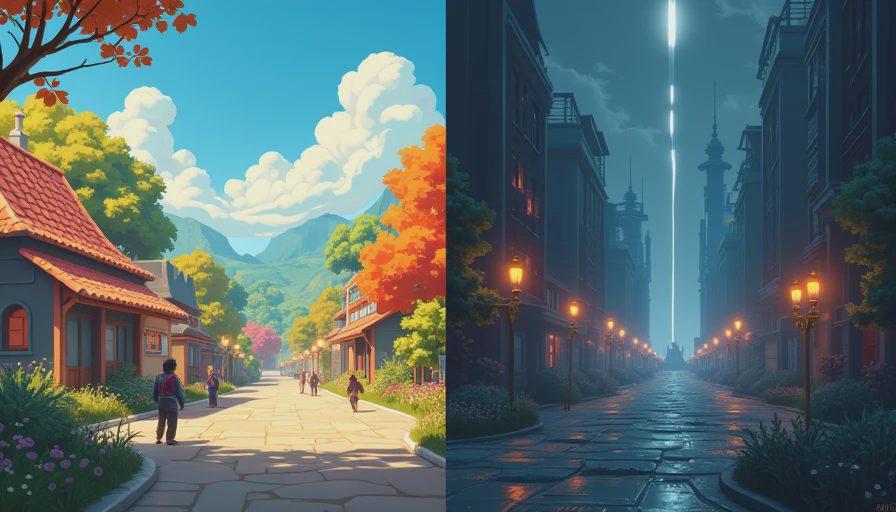
Indie games can’t compete on scale. They don’t have the budget for photorealistic graphics or celebrity voice actors. So they compete on something else: focus.
Focus and Personality
An indie game is usually built around one strong idea. It doesn’t have room for a hundred side quests, so it focuses on what matters: mechanics, mood, story. That focus often translates to tighter pacing and a more personal experience.
Hades is a roguelite built around a single loop, but that loop is polished to a mirror shine. Celeste is a platformer about climbing a mountain and dealing with anxiety, and every level serves that theme. Outer Wilds is a space exploration game that respects your curiosity and your time. None of these games overstay their welcome.
When an indie game works, it often feels more alive than a big-budget product. You can feel the human hands behind it — the specific taste, the personal obsession, the willingness to take risks that a publisher would never approve.
The Risk of Rough Edges
But indie games can be rough. They might lack polish, have limited accessibility options, or end abruptly. Some are janky in ways that frustrate. Others are experimental to the point of being opaque. The freedom of indie development cuts both ways: for every Hades, there’s an early access survival game that never finds its footing.
The challenge is knowing which is which before you spend your money and your evening.
How to Decide
So how do you choose when both options are sitting in your cart? I use a few practical filters.
When to Choose AAA
Pick AAA when you want to be wowed. When you have a free weekend, a comfortable chair, and a desire to disappear into a massive world. AAA games are best enjoyed in longer sessions, when you can let the production value wash over you without checking the clock.
AAA is also a good choice when you’re too tired to think. If you’ve had a brutal week and you just want to press buttons and watch cool things happen, a polished blockbuster will serve you better than a demanding indie experiment. There’s no shame in that. Sometimes you need spectacle, not innovation.
When to Choose Indie
Pick indie when you want something focused and memorable. When you have an hour or two and want a complete emotional arc. When you’re tired of the same open-world formula and you want to see something you haven’t seen before.
Indie games are also better for fragmented schedules. Most of them are shorter, with natural stopping points and a clear beginning, middle, and end. You can finish an indie game in a week of evenings and feel like you actually accomplished something. That’s harder to do with a 60-hour AAA epic.
The Time Test
Here’s a practical question I ask myself: “If I only had two hours tonight, which one would I start?”
That question cuts through the marketing. It forces me to think about what I actually want, not what I think I should want. If the answer is the indie game, I buy the indie game. If the answer is the AAA game, I buy the AAA game. The choice usually makes itself once I stop thinking about reviews and start thinking about my actual evening.
A Practical Example
Last month, I had to make this exact choice. On one side was a 70-hour AAA RPG that everyone was talking about. On the other was a 15-hour indie narrative game that a friend had recommended.
The AAA game looked incredible. The trailers were stunning. The review scores were high. But when I asked myself the two-hour question — “If I only had two hours tonight, which one would I start?” — the answer was the indie game. The AAA game felt like a commitment. The indie game felt like a treat.
I bought the indie game. I finished it in a week. I thought about it for days. The AAA game went on my wishlist, and I’ll get to it when I have a free weekend and the mental energy for a 70-hour world.
That’s the thing about choosing: it’s not about which game is better. It’s about which game fits your life right now.
The False Choice
One more thing: the indie vs. AAA debate is a false choice. You don’t have to pick a side. I play both, depending on my mood, my schedule, and my energy. The goal isn’t to be an “indie person” or a “AAA person.” The goal is to spend your limited gaming time on experiences that actually satisfy you.
The problem is that the industry wants you to feel like you need both, right now, at launch, at full price. That’s how they make money. But you don’t need both. You need the right game for this week, this mood, this season of your life.
Sometimes that’s a $70 blockbuster. Sometimes it’s a $15 indie gem. The trick is knowing the difference before you spend your money and your evening.
The Bottom Line
The adult player’s guide to choosing between indie darling and AAA spectacle is really a guide to knowing yourself. What do you want from your evening? What does your schedule actually allow? What are you too tired to handle?
Answer those questions honestly, and the choice makes itself. The indie game goes on sale, and you buy it because it fits. The AAA game drops to $40, and you buy it because you have a free weekend coming up. You’re not choosing between categories. You’re choosing between experiences, based on what you actually need.
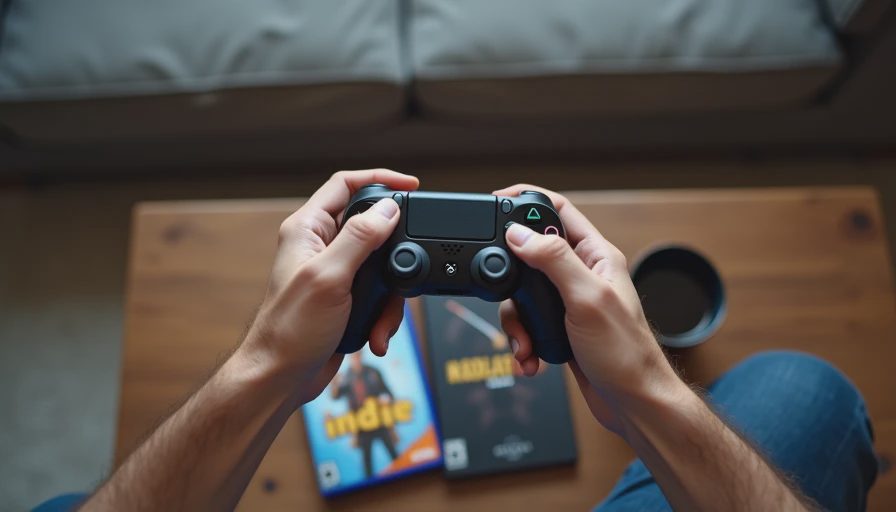
Neither category is better. The question is which one fits your current life. And that’s a question only you can answer — not the reviewers, not the hype machine, not the gaming forums. Just you, the controller, and the two free hours you have on a Tuesday night.
Some games meet you where you are. Some just want your weekend. Whether they come from a team of five or five hundred, the only thing that matters is whether they’re worth your time right now.
Choose accordingly.


No letters yet — pray write the first.