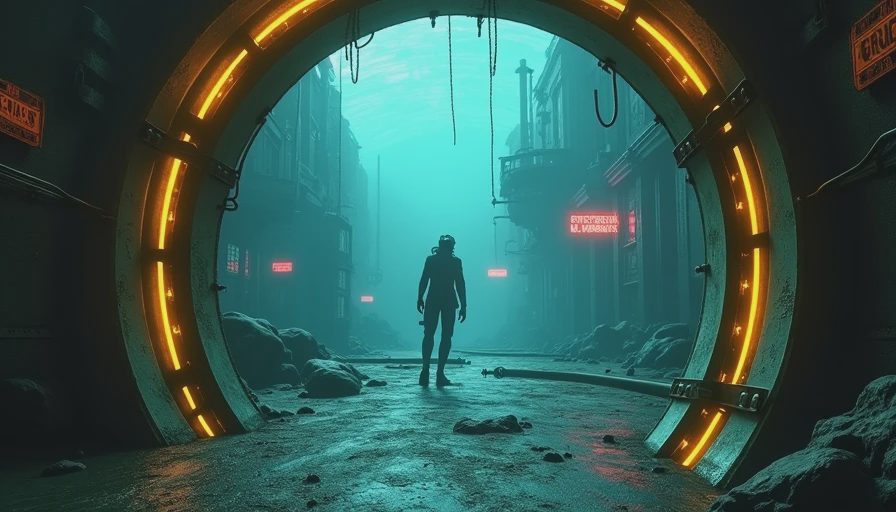
Does BioShock still feel alive, or are we just remembering it loudly? That’s the question I asked myself when I reinstalled it last month. I hadn’t played it since 2007, when it landed like a thunderclap and everyone I knew spent weeks arguing about Andrew Ryan, objectivism, and the meaning of “Would you kindly?” It felt important then. But a lot of games feel important in the moment. The question is whether they still matter years later, after the hype has faded and the industry has moved on.
So I went back to Rapture. And what I found was more complicated than a simple yes or no.
What Still Feels Powerful
Rapture Is a Masterpiece of Mood
The first thing that hits you is the atmosphere. Rapture, the underwater city, is still one of the most fully realized spaces in video games. The art deco architecture, the leaking water, the old music drifting through the halls — it all works together to create a sense of grandeur and decay. You feel like you’re walking through a place that was once beautiful and is now collapsing under its own ideology.
The opening sequence, where you descend in a bathysphere while Andrew Ryan’s voice booms about the tyranny of government and the virtue of the individual, is still chilling. It sets the tone perfectly: this is a city built on a grand idea, and the idea failed. The audio logs you find scattered around tell the story in fragments — a smuggler’s regret, a scientist’s obsession, a mother’s fear — and together they create a world that feels lived in and lost.
That’s rare. Most games build worlds with maps and quest markers. BioShock builds Rapture with sound, light, and silence. It trusts you to piece the story together, and that trust is still a gift.
The Themes Have Only Grown Sharper
BioShock is about objectivism, free will, and the lie of utopia. Those ideas haven’t aged a day. If anything, they feel more relevant now than in 2007. We live in a world where tech billionaires build sea-steading projects and talk about escaping government regulation. Andrew Ryan’s speeches sound like a parody of every libertarian manifesto posted online. The game isn’t just a period piece — it’s a warning about where certain ideas lead.
The twist — and I won’t spoil it here, because if you haven’t played it you deserve to experience it — is still one of the best narrative turns in gaming. It works because it’s not just a plot twist. It’s a commentary on the player’s relationship to games themselves. It asks you to think about why you’ve been doing what you’ve been doing, and whether you ever really had a choice. That’s more subversive than any gunfight.
The Art Direction Avoided the Aging Trap
One reason BioShock still looks good is that it didn’t chase realism. The art deco style, the dramatic lighting, the slightly exaggerated character designs — they age better than games that tried to look photorealistic. Realistic graphics become dated quickly because technology improves and what was cutting-edge becomes ordinary. Stylized art direction holds up because it’s not competing with the future. It’s just being itself.
Rapture in 2026 still looks striking. Not because it’s technically impressive, but because it has a point of view. You can feel the design decisions in every hallway, every poster, every flickering neon sign. That’s the difference between art direction and graphical fidelity.
What Feels Dated
The Combat Is Serviceable, Not Great
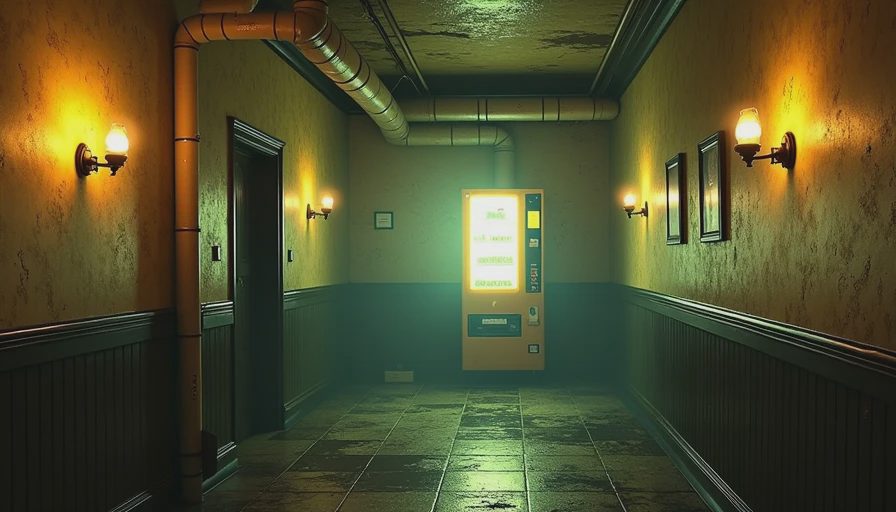
Here’s where BioShock starts to show its age. The gunplay and plasmid combat were always a bit clunky, and in 2026 they feel even more so. Enemies are bullet sponges. The shooting lacks feedback. The plasmids are cool in concept — shoot lightning, burn things, summon bees — but in practice they often feel like slightly different ways to deal damage.
The hacking minigame is tedious. It was tedious in 2007, and it’s tedious now. You’ll spend a lot of time staring at a pipe puzzle, and the reward is usually just a few dollars or a locked door opened. It breaks the flow of exploration and turns every security bot into a chore.
The final third of the game is the weakest part. Without spoiling anything, the story loses momentum and the encounters become repetitive. It’s a common problem in games from that era: strong opening, strong middle, weak ending. BioShock suffers from it more than I remembered.
The Moral Choice System Is Too Binary
The Little Sister choice — harvest or save — felt profound at the time. Now it feels like a button press. There’s no real nuance. You either save the Little Sisters and get a “good” ending, or you harvest them and get a “bad” ending. The game makes the moral stakes clear from the start, so the choice never feels difficult. It feels like a test you already know the answer to.
Compare that to the moral choices in something like Disco Elysium or The Witcher 3, where the right answer is rarely obvious and the consequences are messy. BioShock’s binary morality is a relic of its era. It was ambitious for 2007, but it hasn’t aged as well as the atmosphere.
The Gunplay Feels Like an Afterthought
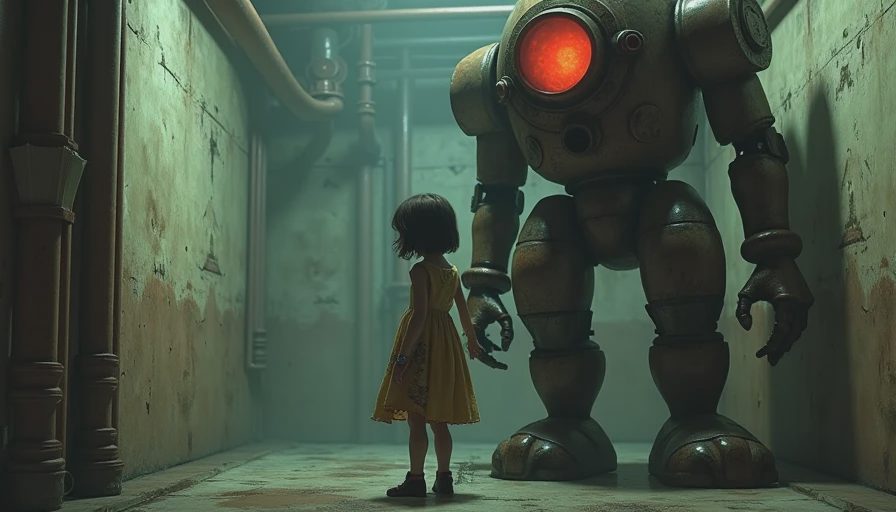
This might sound strange, but BioShock often feels like a great story trapped inside a mediocre shooter. The plasmids are supposed to give you options, but most fights devolve into shooting the same enemies while backing away. The Big Daddies are intimidating at first, but once you learn their patterns, they’re just damage sponges with a lot of health.
I found myself wishing the game had spent more time on the systemic interplay between plasmids and weapons, the way Prey later would. BioShock flirts with that idea, but it never fully commits. The result is a game that’s more interesting to think about than to play.
Would I Recommend It in 2026?
Yes, but with context. BioShock is still worth playing for the atmosphere, the art direction, and the ideas. If you care about games as a storytelling medium, you need to experience Rapture. It’s a landmark, and landmarks matter even when they’re weathered.
But don’t expect a modern action game. Expect a mood piece with shooting attached. The combat is serviceable, the hacking is annoying, and the ending drags. If you go in expecting a masterpiece of game feel, you’ll be disappointed. If you go in expecting a masterpiece of atmosphere and theme, you’ll find it.
A Better Way to Play
If you’re short on time, focus on the main path. Skip the hacking where you can. Don’t feel obligated to explore every corner. The story is what matters, and it’s worth seeing at least once. You can finish it in about 12 hours, which is a reasonable commitment for a busy adult.
Or, if you’ve already played it and you’re thinking about a replay, ask yourself what you’re looking for. If you want to revisit the atmosphere and the themes, it’s worth your time. If you’re chasing the thrill of the combat, you might be disappointed.
What BioShock Taught Me
The reason BioShock still matters isn’t the shooting. It’s the world. It’s the way Rapture feels like a place that existed before you arrived and will continue to decay after you leave. It’s the way the audio logs make you feel like an archaeologist uncovering a tragedy. It’s the way the story uses the language of games to make a point about games.
Most modern games don’t do that. They’re built around loops and rewards, not ideas. BioShock is built around an idea, and the gameplay exists to serve it. That’s rare now. That’s worth remembering.
So does BioShock still feel alive? The city does. The combat doesn’t. The themes do. The moral system doesn’t. It’s a mixed verdict, but the parts that work still work beautifully.
Some games age. Some games deepen. BioShock did both — it just didn’t deepen everywhere. And that’s okay. It’s still worth the dive.


No letters yet — pray write the first.