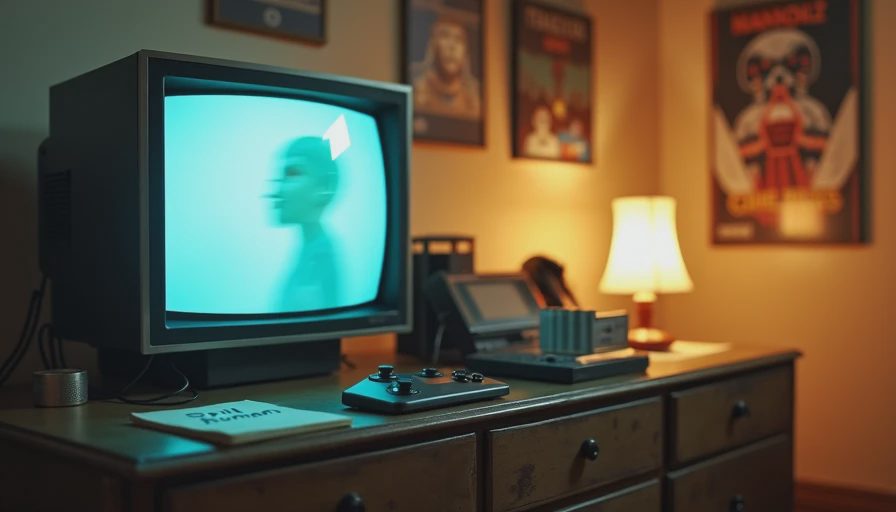
What feels dated in older games is usually mechanical. What still feels human is usually emotional. The trick to revisiting old favorites is learning to separate the two.
I’ve spent a lot of time this year replaying games from ten, fifteen, twenty years ago. Some of them held up beautifully. Some of them didn’t. But the interesting thing — the thing I keep coming back to — is that the games that held up weren’t necessarily the ones with the best graphics or the most modern design. They were the ones with something human at the center.
A game can have stiff controls and low-poly models and still move you. A game can have clunky menus and awkward camera angles and still say something true. The question isn’t whether a game has aged. It’s how it has aged, and in what ways.
The Two Kinds of Aging
Technical Aging Is Surface-Level
Technical aging is the obvious stuff. Graphics that looked cutting-edge in 2005 and look blurry now. Controls that feel stiff compared to modern standards. User interfaces that make you dig through three menus to do something that should take one button press.
These things are real, and they can be frustrating. But they’re also survivable. You can adjust to dated graphics within an hour, like putting on an old pair of shoes that’s been in the closet too long. The first few steps feel strange, and then your body remembers.
I replayed Deus Ex a few years ago — a game famous for its brilliance and infamous for its clunky shooting. The first hour was rough. The graphics were muddy, the AI was dumb, and the stealth felt imprecise. But by hour two, I had stopped noticing. The systems were still there, the freedom was still real, and the game still respected my intelligence. The technical aging didn’t matter, because the ideas underneath were still alive.
Emotional Aging Is the Real Test
Emotional aging is different. It’s not about graphics or controls. It’s about whether the game’s heart still beats. Whether its characters still feel like people. Whether its themes still resonate. Whether its story still has something to say.
Some games age technically but not emotionally. Deus Ex looks terrible now, but its questions about power, conspiracy, and human augmentation feel more relevant than ever. The game hasn’t dated. The world has caught up to it.
Other games age emotionally but not technically. They still look fine, but their stories feel hollow, their characters feel like archetypes, and their themes feel like products of a moment that’s passed.
The games worth replaying are the ones that pass the emotional test. The technical stuff is negotiable. The emotional core is not.
What Feels Dated Now
Let me be specific about the mechanical stuff that stands out when I replay older games.
The User Interface
Menus are the first thing I notice. Older games often hide essential information behind multiple layers of screens. Want to see your stats? Three clicks. Want to equip a new weapon? Four clicks and a confirmation prompt. Modern games have streamlined this to the point of invisibility, and going back feels like stepping into a filing cabinet.
I replayed Final Fantasy IX recently, and the menu system — which I remembered as charming — felt like a chore. Every action required more button presses than necessary. It didn’t ruin the game, but it added friction to every session.
Save Systems
This is the big one for busy adults. Older games often have punishing save systems — fixed save points, limited saves, or no saves at all during long stretches. For a player with 45 minutes to spare, that’s a serious problem.
Resident Evil gave you ink ribbons. Metal Gear Solid made you find specific locations to save. These systems were designed to create tension, and they worked. But for an adult with a job and a bedtime, they’re a barrier. I’ve quit older games because I couldn’t reach a save point before I had to stop playing.
Tutorials and Hand-Holding
This one cuts both ways. Some older games explain nothing, leaving you to figure out systems through trial and error. Others explain too much, dumping pages of text on you before you’ve even touched the controller.
The worst offenders are games that combined both: a wall of text followed by no practical guidance. I’ve played old RPGs that explained the magic system in exhaustive detail and then threw me into a fight with no way to practice what I’d just read. That’s not challenge. That’s poor design.
What Still Feels Human
Now for the good part. The reason I keep going back.
Character Writing That Breathes
A well-written character doesn’t age. Whether it’s a pixelated sprite or a fully voiced actor, a believable personality still connects. The best older games understood this.
Planescape: Torment is over two decades old, and its characters still feel more alive than most modern RPG companions. Morte the floating skull, Dak’kon the githzerai, Fall-from-Grace the succubus — these aren’t archetypes. They’re people with histories, contradictions, and desires. The graphics are primitive. The writing is not.
I replayed it last year, and I was struck by how little the emotional core had aged. The questions it asks — about identity, regret, and whether a person can change — are still urgent. The fact that the game looks like a relic doesn’t matter. It still feels human.
Emotional Honesty
Some older games are blunt about fear, loneliness, grief, and hope in a way that modern games often polish away. They’re raw, sometimes clumsy, but they mean it.
Modern games are polished to a fault. Everything is focus-tested, sanded down, made safe. Emotional moments are crafted to maximize impact without offending anyone. Older games didn’t have that luxury — or that constraint. They took risks. Some of those risks failed. But some of them produced moments of startling honesty.
I think about Grim Fandango — a game about death, bureaucracy, and the afterlife, rendered in a style that’s simultaneously absurd and melancholy. It’s funny and sad in ways that modern games rarely attempt. The puzzles are dated. The feeling isn’t.
Trust in the Player
This is the big one for me. Older games often trusted the player to figure things out. They didn’t mark every objective, hint every puzzle, or pause every five minutes to explain the obvious. They assumed you were paying attention.
That trust is rare now. Modern games are afraid you’ll get lost or frustrated, so they hold your hand through every step. The result is safety and accessibility — but also a loss of discovery.
Shadow of the Colossus trusts you. It drops you in a vast empty landscape and says: find the colossi. It doesn’t mark them on your map. It doesn’t tell you how to climb them. It trusts that you’ll explore, experiment, and learn. That trust is what makes the game feel alive, even now.
A Case Study: Silent Hill 2
If I had to pick one game that embodies the gap between technical aging and emotional staying power, it’s Silent Hill 2.
The controls are clunky by modern standards. The combat is awkward — deliberately so, but still awkward. The voice acting is uneven, with line deliveries that sometimes sound like a stage play performed in a basement. The graphics are muddy, the camera angles are frustrating, and the inventory system is tedious.
None of that matters.
Silent Hill 2 is one of the most emotionally honest games ever made. It’s about guilt, grief, and the stories we tell ourselves to survive. Its protagonist, James Sunderland, is not a hero. He’s a broken man wandering through a town that reflects his own shame back at him. The monsters aren’t just obstacles — they’re manifestations of his psyche.
The game’s emotional core has not aged a day. If anything, it feels more relevant now, in an era when games are increasingly willing to tackle difficult subjects. Silent Hill 2 was doing it twenty years ago, with less polish and more raw feeling.
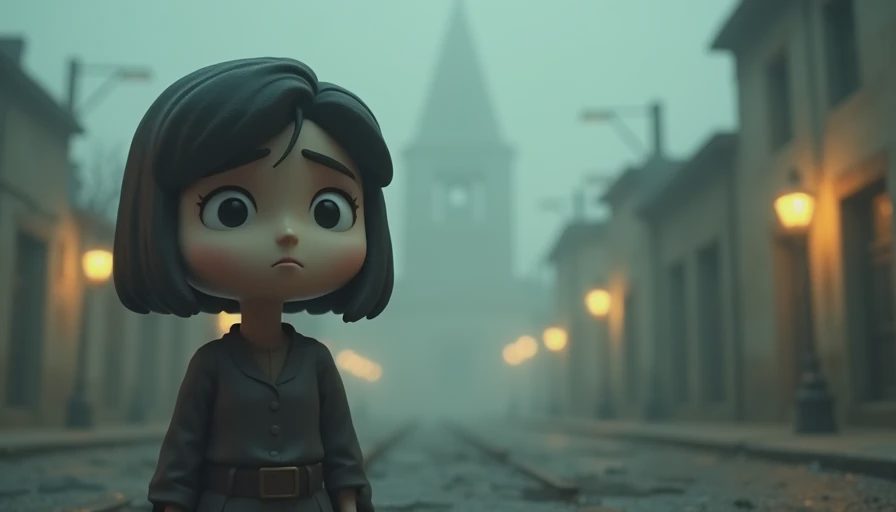
When I replay it, I don’t notice the dated mechanics after the first hour. I notice the fog, the silence, the way the town feels like a place that exists inside someone’s head. That’s not nostalgia. That’s craft.
How to Approach Older Games
If you’re thinking about revisiting an old favorite — or playing a classic for the first time — here’s my advice.
Give It an Hour
The technical stuff will bother you at first. The graphics, the controls, the menus. Give it an hour. Most of that friction will fade as your hands remember and your eyes adjust. If it doesn’t fade, maybe the game has aged past the point of enjoyment, and that’s okay too.
Look Past the Polygons
Pay attention to what the game is saying, not just how it looks. A game with dated graphics can still have a living heart. A game with modern graphics can still be empty. The visuals are the wrapper. The emotional core is the gift.
Accept the Clunk
Don’t expect an old game to feel like a new one. It won’t. The clunk is part of the experience — a reminder of when the game was made, and what the medium was still figuring out. Accept it, and you might find something underneath that’s worth the patience.
Know When to Stop
Some games have aged past the point of rescue. If the mechanics are so dated that they interfere with the experience, it’s okay to stop. Not every classic needs to be revisited. Some are better left in memory.
The Difference That Matters
What feels dated in older games is almost always technical. What still feels human is almost always emotional. The games worth your time are the ones where the human core survives — where the characters still breathe, the themes still resonate, and the feelings still land.
Those games don’t age. They deepen. And that’s why I’ll keep going back.
Some games age. Some games deepen. And some, beneath the dated graphics and clunky controls, are still waiting to meet you where you are.


No letters yet — pray write the first.