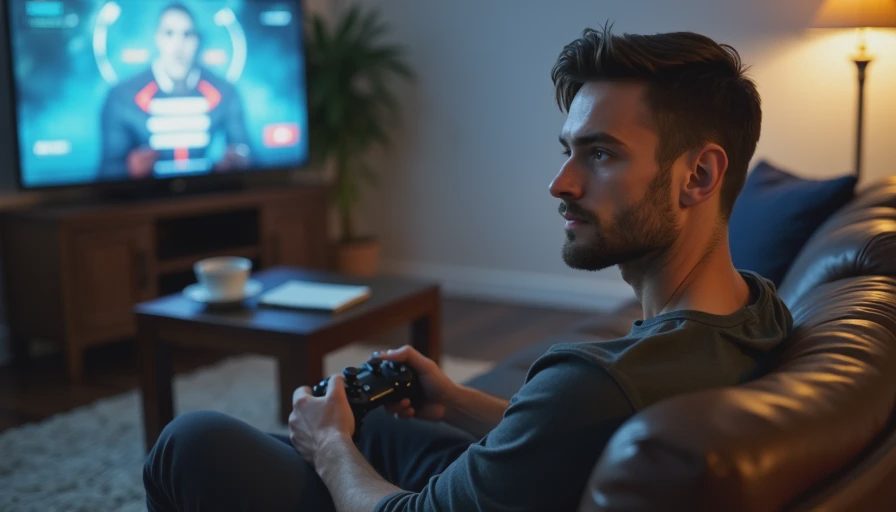
There’s a quiet relief in dropping a game you’re “supposed” to finish. It doesn’t feel good at first. It feels like failure, like wasted money, like a small betrayal of your identity as a gamer. But then the guilt fades, and what’s left is something better: your time, back in your own hands.
I’ve quit dozens of games over the years. Some I quit after three hours. Some after thirty. The hardest ones to quit were the ones everyone else seemed to love — the critical darlings, the community favorites, the games that dominated conversation for months. Those are the ones that carry the heaviest weight of expectation.
This is the story of one of those games, and what quitting it taught me.
The Game That Almost Guilted Me to the End
Last year, I was twenty hours into a critically acclaimed RPG. It had won awards. My friends couldn’t stop talking about it. The writing was supposed to be extraordinary, the world immersive, the choices meaningful. By every external measure, it was exactly the kind of game I should love.
But I didn’t. The combat was fine. The story was fine. The world was huge and beautiful, but I didn’t care about any of it. I kept waiting for the moment when it would click — when the characters would grab me, when the plot would tighten, when I’d understand what everyone else saw in it. That moment never came.
And yet I kept playing. Not because I wanted to, but because I felt like I was supposed to. Twenty hours was too much to waste. If I quit now, those hours would mean nothing. If I pushed through, maybe I’d reach the part where it all came together. Maybe I’d be rewarded for my patience.
That’s the sunk cost fallacy talking. Those twenty hours were already gone. The only question was whether I’d waste thirty more trying to justify them.
The Reluctant Quit
One night, I sat on the couch, controller in hand, staring at the pause menu. I had a free evening ahead of me — a rare gift. I could spend it playing this game, or I could do anything else. Read a book. Watch a movie. Play something shorter that I actually enjoyed.
I chose the game, out of obligation. And then I sat there for ten minutes, unable to press “Resume.” That’s when I knew. The game had become a chore. I wasn’t playing it. I was serving it.
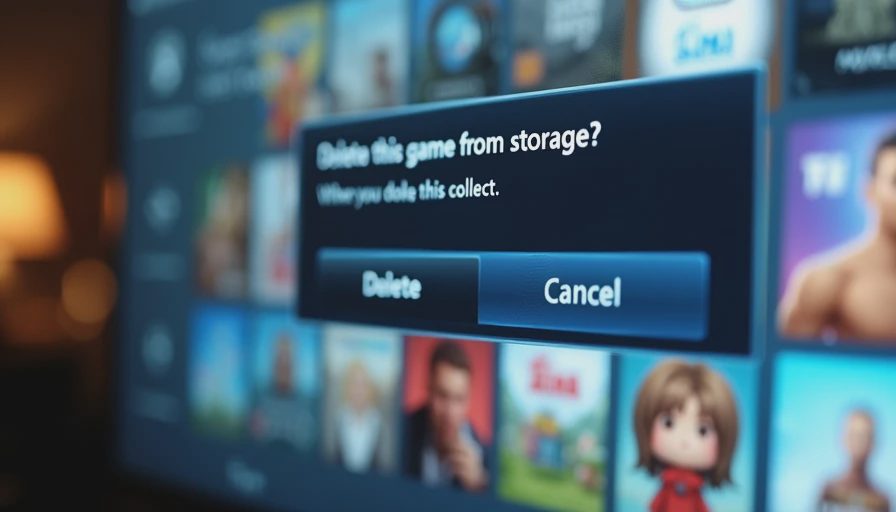
So I deleted it. Not angrily. Just quietly, like closing a book I’d been carrying around for months and finally putting it back on the shelf. The relief was immediate. It wasn’t joy. It was the absence of a burden I hadn’t realized I was carrying.
Why We Force Ourselves Through Games We Don’t Enjoy
If quitting feels so good, why do we resist it so much? I’ve thought about this a lot, because the guilt is real, and it’s not just about games.
The Cult of Completion
Gaming culture loves completion. We track achievements, we build backlogs, we brag about 100% playthroughs. There’s an unspoken hierarchy: people who finish games are dedicated; people who quit are casual. Even the language — “dropping” a game, “abandoning” a game — carries a hint of moral failure.
That’s nonsense. Games are entertainment. They’re not homework. There’s no moral value in forcing yourself through a digital experience you don’t enjoy. But the culture makes it feel like there is.
The Pressure of Consensus
When everyone you know loves a game, quitting it feels like admitting you’re wrong. Maybe you didn’t give it enough time. Maybe you missed something. Maybe your taste is broken.
I’ve learned that consensus is not a verdict on you. A game can be objectively excellent and still not be for you. Taste is personal. Life stage matters. What works for a twenty-year-old with unlimited time might not work for a thirty-four-year-old with two free evenings a week.
The fact that millions of people love a game doesn’t mean you have to. It just means the game found its audience. You’re allowed to be outside that audience.
The Money Problem
This one is practical. Games are expensive. If you paid $70 for a game, quitting after ten hours feels like wasting $50. You want to get your money’s worth.
But here’s the truth: you already spent the money. Playing a game you don’t enjoy doesn’t get it back. It just converts that money into time you’ll never recover. A bad purchase is a loss whether you finish the game or not. The only thing you control is how much more you lose.
What Quitting Actually Gave Me
When I finally dropped that acclaimed RPG, I expected to feel regret. Instead, I felt lighter. My gaming evenings opened up. I started playing something shorter and stranger — a small indie game I’d been ignoring because it wasn’t “important” enough. I finished it in a week. I loved it.
That’s the thing about quitting a game you don’t enjoy: it makes room. Your limited gaming time is precious. Every hour you spend forcing yourself through a game you hate is an hour you’re not spending on a game you love. Quitting isn’t failure. It’s reallocation.
The Permission I Gave Myself
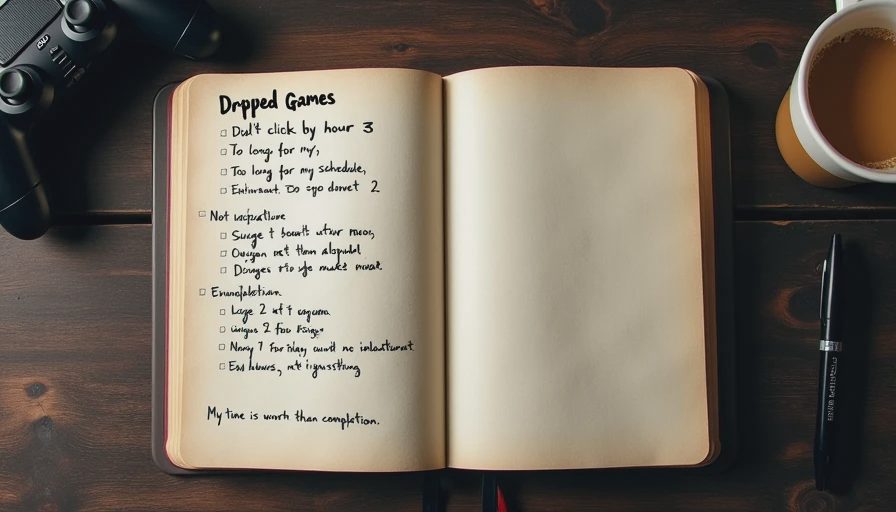
After that experience, I made a new rule: if a game hasn’t grabbed me in the first three hours — or if I’m only playing out of obligation — I stop. No guilt. No second-guessing. Just a simple recognition that my free time is too limited to spend on something I don’t love.
That rule changed how I play. I finish more games now, not fewer, because I only stick with the ones that earn my attention. I enjoy my gaming time more because I’m not carrying a backlog of guilt. And I trust my own judgment more, because I’ve learned to listen to the quiet voice that says “this isn’t for me” instead of the loud voice that says “you should finish this.”
Some Games Aren’t for You Right Now
Here’s the nuance that took me years to learn: quitting a game doesn’t have to be permanent. Some games are just not right for you at this moment. You might come back to them later, in a different season of life, and find they click.
I mentioned Disco Elysium before. I started it three times and quit each time. I wasn’t in the right headspace — too tired, too distracted, too impatient for its dense dialogue. Then, during a quiet winter week, I tried again. I finished it in five days and thought about it for weeks. It was always the right game. I just hadn’t been the right player.
The same might be true for the RPG I dropped last year. Maybe one day I’ll go back. Maybe not. Either way, I’m not going to force it. The game will still be there. My free time won’t.
The Quiet Relief
There’s a reason I call it “quiet” relief. Quitting a game isn’t loud. It’s not a triumphant declaration. It’s a small, private decision you make in your living room on a Tuesday night. You close the game, maybe delete it, and the room feels a little bigger. The evening opens up.
You’re not a failure for quitting. You’re an adult who knows what you like and respects your own time. That’s not weakness. That’s wisdom.
So if you’re thirty hours into a game you’re “supposed” to finish and you’re dreading every session, here’s your permission: stop. Put down the controller. Walk away. The guilt will pass, and the relief will stay.
Some games meet you where you are. Some just want your weekend. And some, you finally learn, were never meant for you at all. Let them go.



No letters yet — pray write the first.