
The Steam sale trap is real. Every few months, I open my library and see games I bought for 75% off — games I’ve never installed, never launched, never even thought about after the purchase confirmation email. They sit there, digital dust collecting in a list that grows longer every season. I used to tell myself I was saving money. Now I know the truth: I was paying for guilt.
If you’re a busy adult with limited gaming time, the Steam sale is one of the most dangerous places on the internet. Not because the discounts aren’t real — they are. But because the entire experience is engineered to make you buy things you don’t need, for a version of yourself that doesn’t exist.
Let me walk you through the trap, the games most likely to rot in your library, and how to stop adding to the pile.
The Psychology of a Steam Sale
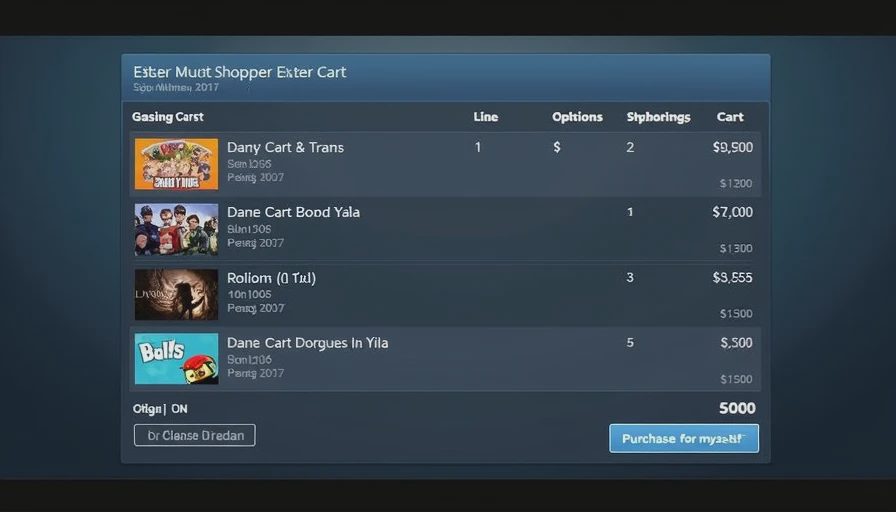
Steam sales are designed to create urgency. Countdown timers, flash deals, “lowest price ever” badges, the shopping cart filling up with colorful thumbnails — it’s a machine built to bypass your judgment. You’re not making rational decisions. You’re reacting to the fear of missing out.
The core illusion is that you’re saving money. A $60 game for $15 feels like a $45 profit. But that math only works if you actually play the game. If it sits in your library untouched, you didn’t save $45. You spent $15 on nothing. And if you buy ten games like that, you’ve spent $150 on nothing.
That’s the trap: the discount feels like a win, but the unplayed game is a loss. And the loss compounds quietly, one sale at a time.
The “It’s So Cheap” Fallacy
I’ve said this to myself a hundred times: “It’s only five dollars. Even if I play it for an hour, it’s worth it.” But I almost never play it for an hour. I buy it, it goes in the backlog, and I forget it exists.
The “it’s so cheap” reasoning is dangerous because it lowers the bar for purchase without raising the bar for value. A cheap game you never play is still a game you wasted money on. The price doesn’t matter. The use does.
The Games Most Likely to Rot
Over years of Steam sales, I’ve noticed patterns. Certain categories of games are almost guaranteed to rot in your library. Here are the worst offenders.
1. The 80-Hour Open-World RPG
You know the type. Massive map, hundreds of quests, metacritic score of 87. It’s on sale for 60% off, and you think, “I’ll definitely get to this eventually.” But you won’t. Because eventually never comes when the game demands eighty hours and you have six a week.
The 80-hour RPG is the most common rot in my library. I’ve bought at least five of them over the years, each one a “great deal,” each one now sitting unplayed. The problem isn’t the game. It’s the commitment. A discounted price doesn’t reduce the time cost. It just makes you forget about it.
Why it rots: The time commitment is too high for an impulse purchase. You buy the idea of playing it, not the reality of playing it.
2. The “I’ll Play It With Friends” Co-op Game
Co-op games, survival games, party games — these are the most optimistic purchases in your cart. You imagine the group together, laughing, building a base, surviving a horde. What you don’t imagine is the scheduling nightmare of getting four adults in the same voice chat at the same time.
I’ve bought co-op games expecting to play with friends, only to watch them sit for months while everyone’s schedule refused to align. Eventually someone says, “Let’s just play something we already have,” and the new game stays in the library forever.
Why it rots: It requires other people’s time, which you can’t control. The discount doesn’t make your friends more available.
3. The Highly Rated Indie Game You’re “Supposed” to Like
Every Steam sale has a few indie darlings that everyone recommends. The pixel-art platformer with deep themes. The narrative walking simulator with 10,000 positive reviews. You buy them because you feel like you should — because the gaming community has declared them essential.
But taste is personal. A game can be brilliant and still not be for you. I’ve bought critically acclaimed indie games and bounced off them in an hour because the tone didn’t match my mood, or the gameplay didn’t grab me, or I simply wasn’t in the right headspace.
Why it rots: You bought reputation, not personal interest. The game deserves an audience, but that audience isn’t necessarily you.
4. The “Complete Edition” of a Game You Already Own
This one is sneaky. You already own the base game. You played it, liked it, maybe finished it. Then the Complete Edition goes on sale with all the DLC for less than the DLC alone. It feels like a smart upgrade.
But here’s the problem: you already finished the game. You’ve moved on. The DLC might be great, but you’re unlikely to reinstall a 60-hour game just to play a ten-hour expansion. So the Complete Edition sits in your library, a duplicate of something you already experienced.
Why it rots: It’s an upgrade to a game you’re done with. The discount makes it feel like a good deal, but the value is already spent.
5. The Early Access Survival Crafting Game
This one is personal. I love the idea of survival crafting games. Gathering resources, building a shelter, exploring a procedurally generated world — it sounds perfect for a relaxed evening. But in practice, most early access survival games are janky, unfinished, and repetitive. And by the time they reach 1.0, I’ve forgotten I own them.
I’ve bought at least three of these on sale. Each one promised to be “the one.” Each one now sits in my library with a “Last played: never” tag.
Why it rots: Early access is a gamble, and sale prices make the gamble feel safe. But an unfinished game is still unfinished, no matter how cheap it was.
How to Avoid the Trap
The Steam sale isn’t going away. The question is how to engage with it without filling your library with games you’ll never play. Here’s what works for me.
Set a Budget Before the Sale Starts
Decide how much you’re willing to spend before you open the store. Not a soft number — a hard limit. Write it down. When the cart exceeds that number, something has to go. This forces you to prioritize instead of just accumulating.
Use the 48-Hour Rule
Put a game on your wishlist. Wait 48 hours. If you still want it after the sale ends, buy it at full price. Most games you won’t. The impulse fades, and you realize you didn’t actually want the game — you wanted the feeling of getting a deal.
Buy Only What You’ll Play This Week
This is the strongest filter. Ask yourself: “Will I install and start this game within the next seven days?” If the answer is no, don’t buy it. The sale will come back. Your free time won’t. A game you won’t play this week is a game you might never play.
Track Your Backlog
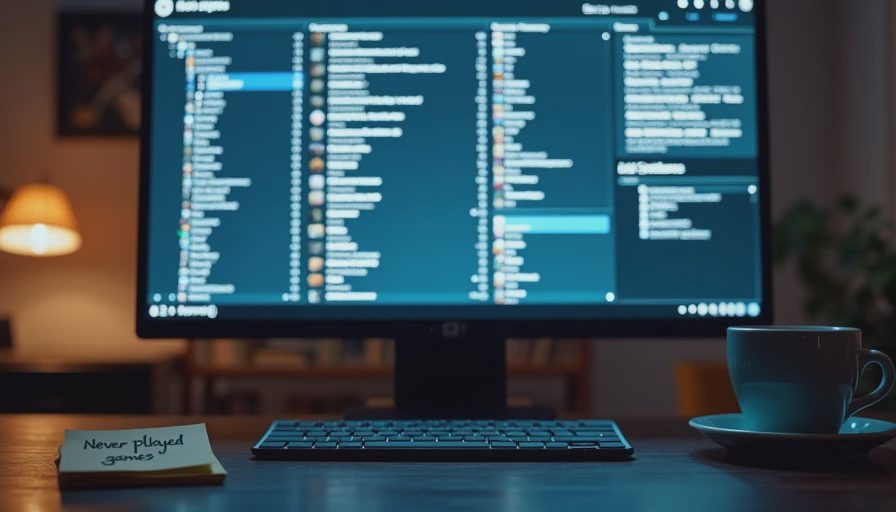
I keep a simple list of unplayed games. Every time I add one, I have to look at the list and see how many are already waiting. That visual reminder is powerful. It turns the abstract “I have a lot of games” into a concrete “I have 47 games I haven’t touched.” That number makes me hesitate before adding a 48th.
The Real Cost of Rotting Games
The financial cost is obvious. But there’s a deeper cost: mental clutter. Every unplayed game is a small source of guilt. It sits in your library, a reminder of money spent and time not used. It makes your backlog feel heavier, which makes you less likely to play anything at all.
I’ve felt this. When my library was full of unplayed games, I’d spend more time scrolling than playing. The weight of all those unfinished purchases made every gaming session feel like a reminder of my failure to follow through. It wasn’t fun. It was stressful.
Clearing that clutter — by hiding games, deleting them from my account, or simply deciding I’ll never play them — made gaming fun again. I stopped seeing my library as a to-do list and started seeing it as a collection of things I actually want to play.
The Bottom Line
The Steam sale trap is real, but it’s not unavoidable. The key is to recognize what you’re actually buying. You’re not buying a game. You’re buying the fantasy of having time to play it. And that fantasy, like most fantasies, rarely survives contact with reality.
So before the next sale, set your budget. Use the 48-hour rule. Ask yourself if you’ll play it this week. And if you catch yourself eyeing an 80-hour RPG or a co-op game or a “complete edition” of something you already finished, remember: the discount is real, but the rot is realer.
Some games meet you where you are. Some just want your weekend. And some, bought on sale and never opened, just want to remind you that you made a mistake. Don’t make it again.




No letters yet — pray write the first.